
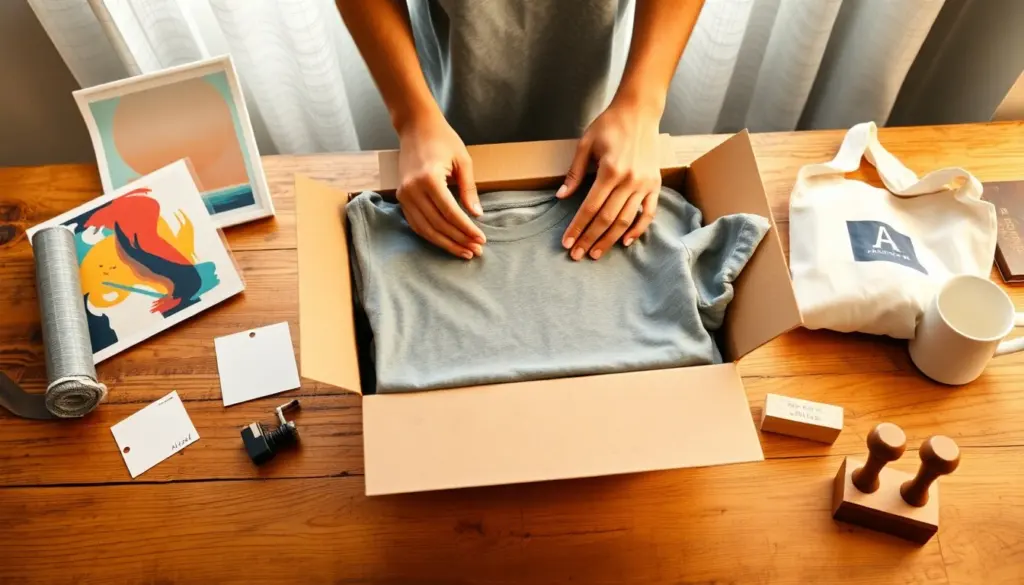
You can start a print-on-demand business by validating a niche, creating standout designs, and hooking up a storefront with reliable suppliers. This process minimizes upfront inventory risk while letting creators, entrepreneurs, and side-hustlers test ideas quickly. The steps that follow focus on market validation, store setup, and growth tactics so they spend time that moves the needle instead of guessing at products.
Key Takeaways
- Starting a print-on-demand business begins with validating a specific niche to target an audience with repeat purchase potential, minimizing inventory risk.
- Run low-cost tests with a few designs to measure true demand through click-through and conversion rates instead of focusing on likes or shares.
- Choose a selling platform that aligns with your goals, such as Shopify for brand control or marketplaces like Etsy for built-in traffic.
- Launch with a small, curated product catalog and verify the entire order flow including print quality, shipping, and returns to ensure customer satisfaction.
- Optimize your listings with SEO-friendly titles and use targeted ads and email strategies to boost repeat purchases and average order value.
- Select reliable suppliers with good print quality, fast shipping, and solid return policies, and order samples to maintain product standards.
Validate Your Niche, Products, And Audience Before You Invest
- Quick Facts
- Print-on-demand (POD) removes inventory risk by printing items per order.
- Successful POD sellers validate demand with low-cost tests before scaling.
- High-converting niches combine clear audience identity and repeat purchase potential.
Validating a niche first saves time and ad spend. Instead of launching dozens of generic designs, they focus on a specific audience, for example, marathon moms, indie game devs, or environmental activists, and test interest quickly. Validation has three practical steps.
- Market signals: Scan marketplaces and social platforms for repeatable demand. Look for active communities, consistent product posts, and similar sellers doing steady volume. High engagement on niche posts signals a place to start: low activity means pivot.
- Micro-tests: Create 3–5 designs and run low-cost tests, organic posts, small-budget ads, or a listing on a marketplace like Etsy or Redbubble. Measure click-through and conversion rates rather than vanity metrics: a design that converts at a small scale is worth scaling.
- Price and margin check: Calculate realistic margins after POD base costs, shipping, platform fees, and ad spend. Aim for gross margins that allow for at least 20–40% of the sale to cover marketing and overhead. If margins are too thin, choose higher-priced SKUs (hoodies, canvases) or add perceived value through bundle or limited editions.
Common mistakes to avoid:
- Launching wide with generic designs instead of a focused audience.
- Relying solely on likes and shares without tracking clicks or purchases.
- Ignoring shipping and return policies that create hidden costs.
By the time they move to build a store they should have evidence of demand, a shortlist of top designs, and a clear price strategy. That groundwork makes every subsequent step less risky and more efficient.
Build, Launch, And Grow Your Print-On-Demand Store
Launching a POD store breaks into three phases: platform choice and setup, soft launch with real orders, and iterative growth. Each phase has practical checkpoints so they don’t overcommit before product-market fit.
Platform and storefront setup
- Choose a platform that matches selling goals: a marketplace for built-in traffic, Shopify for brand control, or Etsy for niche discovery. Integration with POD partners and payment processors matters more than bells and whistles.
- Build a simple brand: name, logo, a clear value proposition, and polished product photos (mockups and lifestyle shots). Customers respond to clarity over cleverness.
Soft launch and order flow
- Start with a small catalog (8–12 SKUs) and confirm the full order flow: order placement, fulfillment, shipping times, customer messaging, and returns. Place internal test orders and sample purchases to check print quality and packaging.
- Track baseline metrics: conversion rate, average order value (AOV), return rate, and shipping time. Those numbers guide early decisions about product range and marketing spend.
Growth playbook
- Optimize listings using keyword-driven product titles, descriptive bullet points, and relevant tags. SEO helps organic discovery.
- Use targeted ads and email follow-ups to raise repeat purchases: consider simple bundles and seasonal drops to increase AOV.
- Monitor trending designs and retire low performers monthly: reinvest earnings into your top 20% of SKUs that drive 80% of revenue.
Bold considerations: prioritize customer experience (speedy replies, transparent shipping) and quality control (consistent prints across sizes and colors). These reduce refunds and negative reviews, which harm organic reach.
Essential Logistics: Suppliers, Pricing, Samples, And Platform Integrations
Supplier selection shapes margins and reputation. Compare POD partners on product range, print methods (DTG, sublimation, embroidery), shipping regions, and returns policy. Request production lead times and ask about quality guarantees.
Pricing strategy
- Base price + markup: Start with a markup that covers marketing and operations: test price points in $2–5 increments rather than wide swings.
- Psychological pricing: Use charm pricing (e.g., $24.99) and bundle discounts to nudge AOV.
Samples and quality checks
- Order samples of every product type and color used in listings. Check print placement, color fidelity, and garment feel. Keep notes and photos for product pages and dispute evidence if needed.
Platform integrations
- Confirm the POD provider integrates with the chosen store platform and supports automated order routing. Manual order management can be manageable early on but becomes a bottleneck as volume grows.
- Use tools for accounting, inventory sync (if any), and customer messaging to keep operations lean.
Final operational tips: document fulfillment steps, set clear SLA expectations for customers, and build a simple returns policy that balances customer trust with cost control. With validated designs, tight logistics, and a measured growth plan, a POD business can scale without large inventory risk, but it still requires consistent testing, creative refreshes, and disciplined reinvestment.
Print On Demand Business FAQs
What are the first steps to start a successful print-on-demand business?
Begin by validating your niche and audience with market research and low-cost design tests. Focus on a specific group, analyze demand, and check product pricing and margins to ensure profitability before launching your store.
How do I validate a niche for my print-on-demand products?
Validate a niche by scanning marketplaces and social media for active communities and steady sales. Create a few test designs and use low-budget ads or organic posts to measure conversion rates, ensuring there’s real demand before investing heavily.
Which platforms are best for setting up a print-on-demand store?
Choose from marketplaces like Etsy for niche discovery, Shopify for full brand control, or other platforms integrated with POD partners. Consider payment processors and ease of order automation to streamline operations.
How can I optimize my print-on-demand listings to boost sales?
Use keyword-driven product titles, descriptive bullet points, and relevant tags for better SEO. Additionally, implement targeted ads, email follow-ups, bundles, and seasonal product drops to increase average order value and repeat purchases.
What should I consider when selecting print-on-demand suppliers?
Evaluate suppliers based on product range, printing methods (like DTG or sublimation), shipping areas, return policies, and production lead times. Ordering samples ensures print quality and garment feel meet customer expectations.
Why is it important to order samples before selling print-on-demand products?
Samples let you check print placement, color accuracy, and fabric quality, ensuring high customer satisfaction and providing proof in case of disputes while creating authentic product photos for listings.